How We Know Truth
Epistemology & Testimony
Spiritual witness, reason, evidence, testimony, and the limits of certainty in religious knowledge.
Completed responses
4 claims
Open the claim as it is normally framed, use the short answer when time is tight, and move into the full case when the conversation deserves it.
LDS Prophets Are Fallible and Therefore Untrustworthy
A prophet is not a person who never sins, misjudges, or needs correction. The biblical record treats calling and infallibility as different things, so the right questions concern authority, revelation, correction, and fruit.
Atheism: No Evidence for God's Existence
Belief in God is not a claim that can be settled by pointing to one laboratory result. Latter-day Saints can appeal to several lines of evidence together: why anything exists, the order of the universe, moral experience, consciousness, scripture, and personal encounter with God.
LDS Subjective Epistemology Is Unreliable
A spiritual witness is part of Latter-day Saint knowledge, not a substitute for scripture, reason, history, or moral fruit. Like other forms of knowing, it requires patience, testing, and humility about what an experience does and does not establish.
How can a Latter-day Saint know anything without relying on feelings alone?
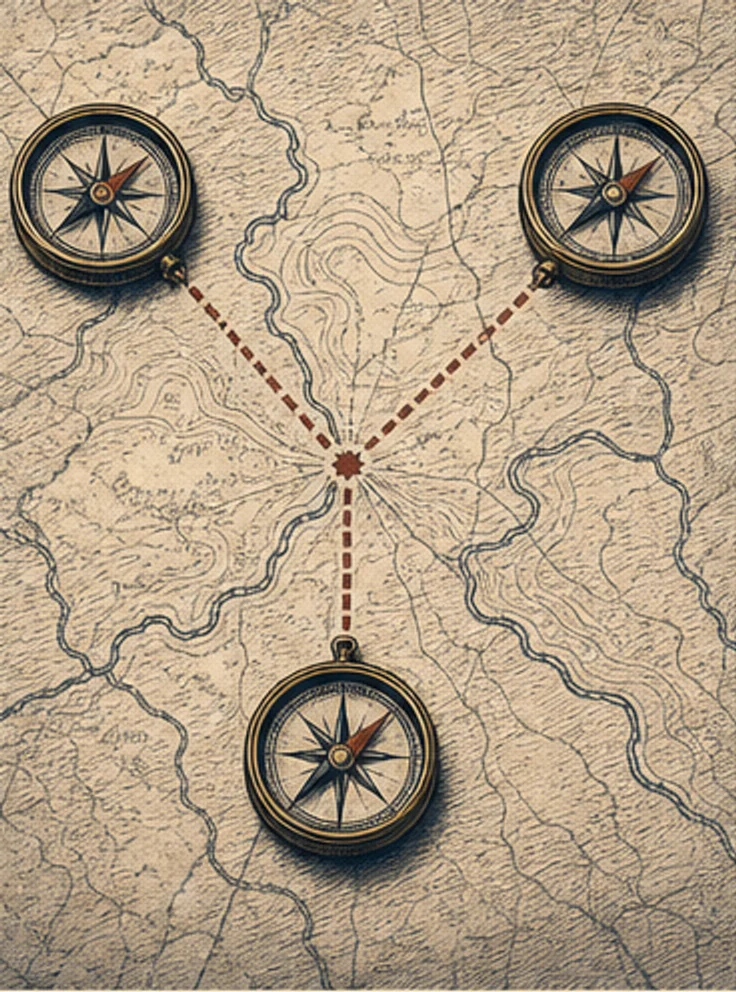
A spiritual impression is not the whole Latter-day Saint case, and authority is not a trump card. Confidence grows when spiritual intuition, sense experience, reason, trustworthy authority, and lived fruit converge. When they conflict, confidence should go down and the claim should be tested again.